Medical Technology · FZulG-eligible

R&D Tax Credit for Medical
Technology

Medical technology companies develop life-saving products and systems – and are among the strongest beneficiaries of FZulG funding. Companies developing active medical devices, AI diagnostics or biosensors can reclaim up to 25% of R&D personnel costs as a tax credit.

Tax credit up to 25% Eligible before MDR approval Retroactive to 2020
At a Glance
  • Medical technology companies can reclaim up to 25% of R&D expenditures as a tax credit.
  • Eligible: new medical devices, innovative diagnostics, implant research, DiGA development.
  • MedTech startups: founders' own contributions are eligible at €100/hour.
  • Clinical studies for testing new technologies are eligible (pure MDR conformity is not).

Regulation as a Funding Advantage

The medical technology sector benefits especially from the R&D tax credit because stringent MDR regulation (EU 2017/745) inherently creates technical uncertainties. Development under IEC 62304 (software), ISO 13485 (QM) or ISO 14971 (risk management) requires systematic approaches under uncertainty – precisely what the BSFZ recognizes as eligible R&D.

Particularly relevant: Software as a Medical Device (SaMD) under Class IIa/IIb is almost always eligible, as clinical validation, algorithm verification and regulatory testing involve technical uncertainties. NOVARIS has particular expertise in delineating R&D from routine validation.

The average reimbursement for MedTech companies is €120,000–€380,000 per year – depending on the number of R&D employees and the proportion of regulatory-driven development work.

Related Industries: Pharma (Drug-Device Combination Products) · Software & IT (SaMD Development)
Eligible Projects

What is funded in
Medical Technology?

These project types are typically eligible under FZulG §2 – provided technical uncertainty existed and the goal was not achievable with existing methods.

Typically eligible

Active Medical Devices

Development of novel active implants, therapy devices or diagnostic hardware using new mechanisms of action or measurement principles.

New sensor principles for vital signs
Miniaturized implants with novel energy concepts
Novel therapy devices (laser, ultrasound, HF)
Typically eligible

SaMD & AI Diagnostics

Development of Software as a Medical Device (SaMD) and AI-powered diagnostic systems that support or autonomously make clinical decisions.

AI image analysis for radiology & pathology
Clinical Decision Support Systems (CDSS)
Predictive algorithms for patient risk
Typically eligible

In-vitro Diagnostics & Biosensors

Development of new detection methods, biosensor platforms or point-of-care tests achieving superior sensitivity, specificity or miniaturization.

New electrochemical biosensor platforms
Lab-on-Chip & microfluidic systems
Point-of-care diagnostics for rare markers
When does your project qualify?

FZulG Criteria for
Medical Technology Projects

Technical or Scientific Novelty

The product or method goes beyond existing medical devices or diagnostic techniques.

Technical Uncertainty

Open-ended development with iterative testing phases, documented in lab reports and design history files.

R&D Before Approval Phase

The R&D phase prior to the MDR/IVDR approval process is typically eligible; purely regulatory activities are not.

Systematic Documentation

Design history files, test reports and development records substantiate the R&D activities to the tax authority.

Important to know

Software as a Medical Device (SaMD) is fully eligible – even without a physical device. Pure software R&D effort counts entirely towards the assessment base.

Eligible roles: development engineers, clinical scientists, software developers and contract research at clinics (70% of remuneration).

Typical funding per medical technology project: €60,000 – €250,000/year
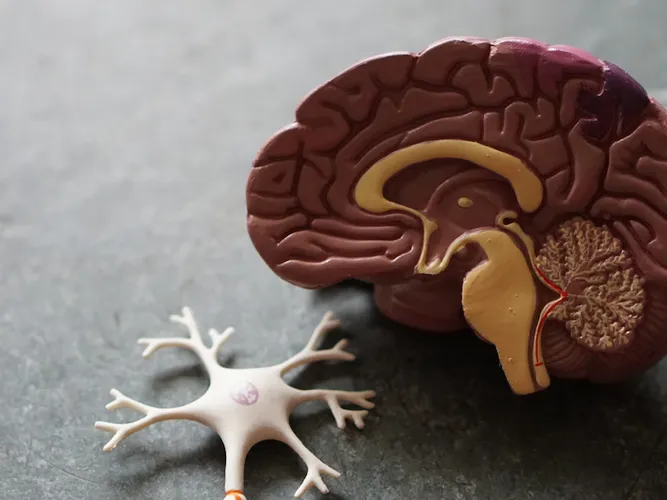
Medical technology development – research on medical devices

“The previous consultant had identified €120,000. NOVARIS found an additional €85,000 — primarily in software validation.”

Medical Technology Manufacturer, Bavaria
BSFZ · 2024
MedTech · +71% after switching consultants

Previous consultant: €120,000. NOVARIS found additional eligible expenditures in software validation and clinical study designs.

€ 205,000/ year secured
Overall track record · Medical Technology

5+ projects managed, 100% approval rate.

€ 1.8Mtotal secured

Without vs. with NOVARIS — typical difference

Identified R&D share
Without NOVARIS
32 %
With NOVARIS
64 %
Annual R&D Tax Credit
Without NOVARIS
€48K
With NOVARIS
€90K
BSFZ approval rate
Without NOVARIS
~62 %
With NOVARIS
100 %

Illustrative example based on average client results. Actual results may vary.

PDF
Free Industry Guide

R&D Tax Credit for Medical Technology

Find out which R&D activities in your industry are eligible — with practical examples and calculations. Download as a free PDF now.

Industry-Specific

Industry-Specific Requirements in Medical Technology

The medical technology sector benefits from a unique synergy between regulatory documentation and R&D evidence. The Medical Device Regulation (MDR 2017/745) requires extensive technical documentation – clinical evaluations, risk analyses per ISO 14971, usability tests per IEC 62366 – much of which can be repurposed as evidence for the R&D tax credit. Companies that already maintain MDR-compliant product files therefore have a significant advantage when applying to the BSFZ.

Clinical studies and biocompatibility testing are prime examples of eligible experimental development. Biocompatibility tests per ISO 10993 (cytotoxicity, sensitization, irritation, systemic toxicity) require systematic test series with uncertain outcomes – exactly the criterion the BSFZ demands for R&D recognition. The same applies to sterilization validations, aging tests and performance testing as part of clinical evaluation. Personnel costs for regulatory affairs staff involved in scientific evaluation can be included proportionally.

The CE marking process for medical devices of Classes IIa, IIb and III encompasses numerous R&D-relevant activities. Developing and validating test methods, creating clinical investigation plans, conducting verification and validation protocols (V&V), and collaborating with Notified Bodies all generate eligible personnel costs. Particularly for Software as a Medical Device (SaMD) per IEC 62304, R&D shares typically range from 50–70% of total development costs.

Our consultants with medical technology backgrounds identify eligible projects where generalists overlook them: in the further development of existing products (e.g. new materials for implants, improved algorithms for imaging systems, miniaturized sensors for patient monitoring). The development of combination products (drug-device combinations) and in-vitro diagnostics also offers substantial funding potential.

Typical Funding Amounts in Medical Technology

Calculation Example: MedTech SME with 30 Employees

  • • 6 R&D engineers and 2 regulatory affairs specialists (gross salary: €720,000)
  • • Eligible R&D share (approx. 55%): €396,000
  • • Biocompatibility testing external: €90,000 (70% = €63,000 eligible)
  • • R&D Tax Credit (25%): €114,750 / year

Calculation Example: SaMD Manufacturer (Software as a Medical Device)

  • • 4 software developers, 1 quality manager (gross salary: €450,000)
  • • R&D share IEC 62304 conformity (approx. 65%): €292,500
  • • Annual R&D Tax Credit: €73,125
Project Examples in Detail

Eligible Medical Technology Projects in Detail
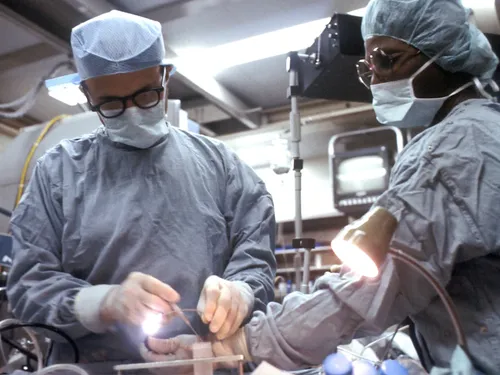
Class II and III medical device development
1

Class II and III Medical Device Development

The development of medical devices in risk classes II and III under MDR Annex VIII represents one of the most common funding subjects under the research allowance. Class IIa and IIb products such as active therapeutic devices, implantable sensor systems, or diagnostic imaging equipment require extensive research and development before entering the regulatory phase. Technical uncertainty often lies in developing new mechanisms of action, miniaturizing assemblies, or integrating novel materials. Class III products — such as active implants, drug-eluting stents, or novel pacemakers — involve particularly intensive R&D phases due to their high-risk profile. The iterative design development, prototype manufacturing, and preclinical validation are typically fully eligible for the research allowance.

Software as a Medical Device (SaMD) under the MDR

Software as a Medical Device (SaMD) has become one of the most dynamically growing categories in the research allowance. Under the Medical Device Regulation, standalone software that performs diagnostic or therapeutic functions is classified as a medical device. Developing such software solutions under IEC 62304 encompasses numerous R&D-relevant activities: designing and training AI models for diagnostic imaging, developing algorithms for clinical decision support systems (CDSS), validating predictive models against clinical datasets, and creating new data processing architectures for real-time patient monitoring. The R&D share in SaMD projects typically ranges from 50 to 70 percent of total costs, making them particularly attractive candidates for the research allowance.

Software as a Medical Device (SaMD) under the MDR
2
Novel diagnostic imaging algorithms
3

Novel Diagnostic Imaging Algorithms

Developing innovative imaging algorithms for medical diagnostics is a prime example of eligible experimental development. This includes deep learning models for automated detection of pathological changes in CT, MRI, or ultrasound images, algorithms for three-dimensional reconstruction from two-dimensional scans, and methods for image enhancement and noise reduction in low-dose X-ray imaging. Technical uncertainty manifests in whether the developed algorithms achieve sufficient sensitivity and specificity to support clinically relevant decisions. The development of multimodal fusion algorithms that combine different imaging modalities also regularly qualifies for the research allowance.

Implant Material Research

Research and development of new implant materials represents a highly eligible R&D area. This includes developing bioresorbable polymers and ceramics for orthopedic implants, surface functionalization of titanium implants to improve osseointegration, researching antimicrobial coatings to reduce postoperative infections, and developing shape-memory alloys for self-expanding stents. Systematic material characterization under ISO 10993 — including cytotoxicity testing, hemocompatibility assessments, and long-term degradation studies — generates substantial eligible personnel costs. The development of patient-specific implant designs using additive manufacturing (3D printing) opens new funding opportunities, as it merges materials science research with applied product development.

Implant material research
4
FAQ

Frequently Asked Questions

Pure regulatory activities – such as creating technical documentation, notified body communication or post-market surveillance – are not eligible. However, the preceding R&D phase where new technical solutions are developed is fully eligible. NOVARIS precisely delineates R&D activities from regulatory tasks to maximize your claim.
Clinical studies primarily aimed at gaining knowledge about a new mechanism of action or technology can qualify as experimental development under the FZulG. Studies conducted exclusively to demonstrate safety and performance for CE marking face higher hurdles. A clear delineation is key – NOVARIS builds a robust case with the BAFA.
Yes, SaMD is one of the fastest growing categories in FZulG funding. Algorithm development, model training, validation and clinical evaluation of the AI component are eligible, provided they demonstrate scientific novelty and technical uncertainty. Regulatory classification under MDR Annex VIII does not directly affect eligibility.
APPROVAL & FUNDING

Approval-Relevant R&D as Funding Lever

The EU Medical Device Regulation (MDR 2017/745) has massively increased regulatory requirements – and with it the potential for eligible R&D activities.

MDR Conformity Assessment

The MDR requires comprehensive clinical evaluations and performance evidence. When manufacturers need to develop new test procedures, biocompatibility studies, or innovative testing methods, this frequently qualifies as eligible experimental development – the technical uncertainty lies in whether new methods meet the stricter MDR requirements.

CE Marking & Classification

The MDR has reclassified many products into higher risk classes (upclassification). Manufacturers must develop novel verification and validation methods to meet stricter requirements for Class IIb and III. This method development is a classic case of experimental development under the FZulG.

Biocompatibility Testing

Developing new biocompatibility tests according to ISO 10993, particularly for novel materials or surface coatings, is a frequently overlooked funding area. When existing standards do not provide suitable test methods, there is a clear technical uncertainty.

MDR impact: Since the MDR took effect in May 2021, R&D expenditure in the medical technology sector has increased by an average of 25–35% (BVMed). Many of these additional activities – particularly in clinical evaluations and performance studies – are eligible for funding through the Forschungszulage.
Why Self-Filed Applications Fail

The R&D tax credit application process is technically complex and full of pitfalls. BSFZ rejections, incorrect cost allocations and missed deadlines cost German companies millions in unclaimed funding every year.

~29 %
3–6 months
€50,000+
€ 15 Mio.+secured
25+clients
100 %approval rate
6 JahreFZulG experience

With NOVARIS: 100 % approval rate (as of March 2026)

NOVARIS handles your complete FZulG application

From the initial analysis of your R&D projects through the BSFZ certification to the payout by the tax office – NOVARIS manages the entire process. Success-based and risk-free.

Schedule a Free Consultation
Max Nodes
Max Nodes
Managing Director & Founder of NOVARIS Consulting. Specialized in R&D tax credits (FZulG) with a 100% approval rate. Learn more